Event Strategy & Guest Psychology
Why People Remember Experiences More Than Events: The Psychology of Memorable Events
An event can be beautifully organized, perfectly timed and filled with impressive details — and still be forgotten a few weeks later. Discover how shifting from a passive setup to an interactive experience creates lasting memories.
Key Takeaways for Event Planners:
- Participation Over Observation: Active guest involvement builds distinct personal memories rather than generic visual recollections.
- Emotional Resonance & Novelty: Guests remember how an event made them feel; surprising elements and fun interactive setups spark long-term memory.
- Tangible Souvenirs Extend the Experience: Physical photo prints (like 4R photo strips) act as lasting keepsakes that keep event memories alive for years.
Think about the events you've attended over the years. You probably don't remember every decoration, every speech or exactly what was served for dinner. What tends to stay with you are the moments when something happened to you: when you laughed with friends, participated in something unexpected, danced with people you hadn't seen in years or took home something that reminded you of the day.
This is why the difference between an event and an experience matter. A well-executed event brings people together. A memorable experience gives them something to feel, participate in and remember.
Why Ordinary Events Can Feel Forgettable
Many events follow a familiar formula: guests arrive, find their seats, eat, watch a programme and eventually leave.
There's nothing wrong with this structure, but when guests are simply watching things happen, they can become passive participants.
The most memorable events give people opportunities to do something rather than simply observe. It could be a game, a creative activity, an unexpected performance, a photo experience or even a spontaneous moment shared with someone at their table.
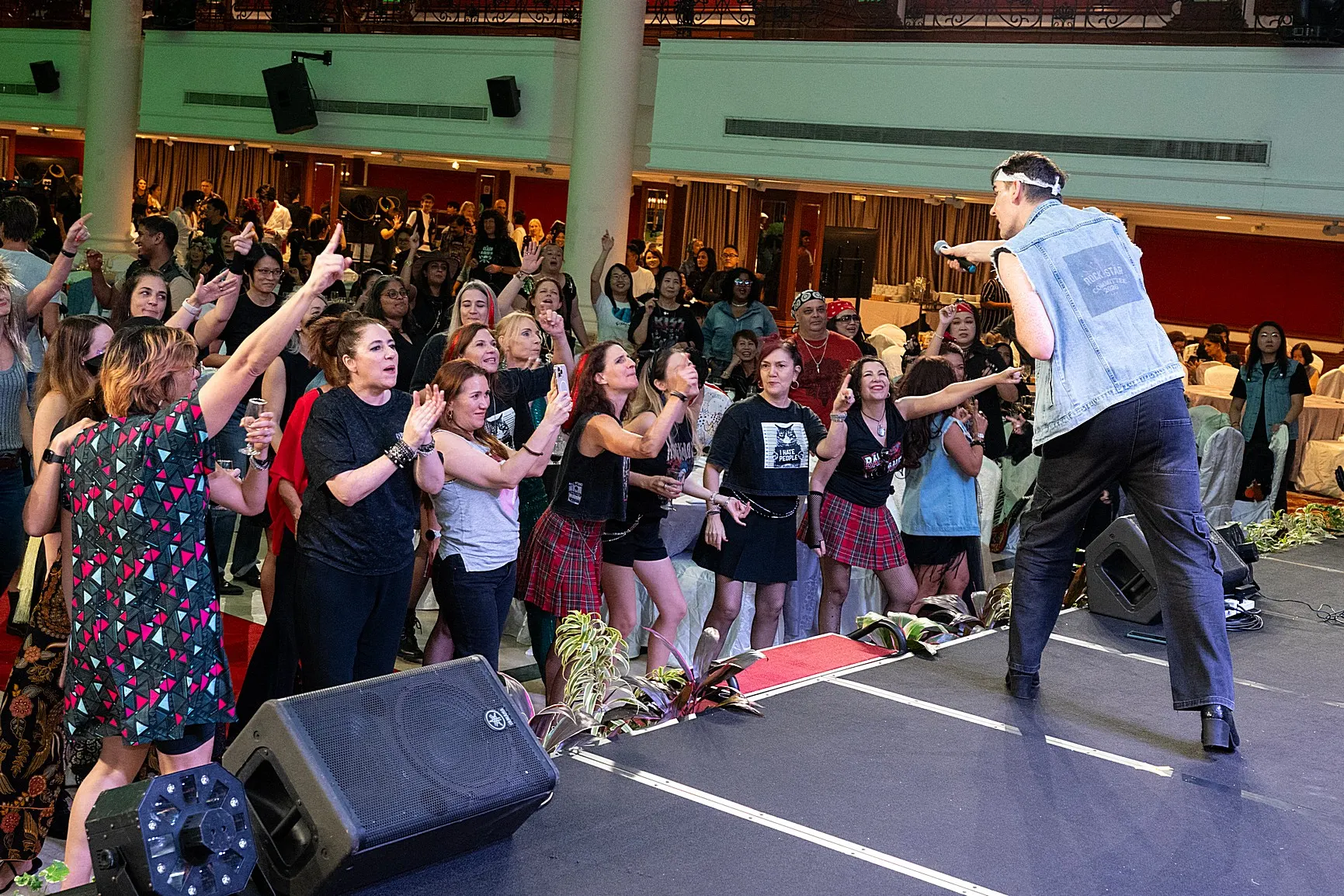
The activity itself doesn't have to be complicated. What matters is that guests become part of the moment.
Participation Creates Stronger Memories
There is a big difference between watching someone have fun and having fun yourself.
When guests participate in an experience, they create their own memories rather than simply witnessing someone else's. This is particularly important for weddings, corporate events and celebrations where people may be meeting one another for the first time.
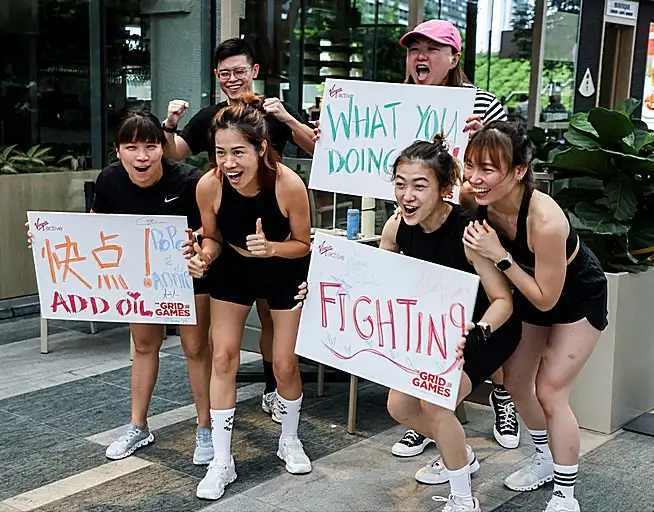
Interactive activities can give guests a reason to talk, laugh and collaborate. Those interactions can become the moments they remember long after the event is over.
Emotional Moments Are Easier to Remember
People don't necessarily remember events because everything went according to schedule. They remember how the event made them feel.
A surprise performance can create excitement. A heartfelt speech can create emotion. A funny game can create laughter. A reunion with an old friend can create nostalgia.
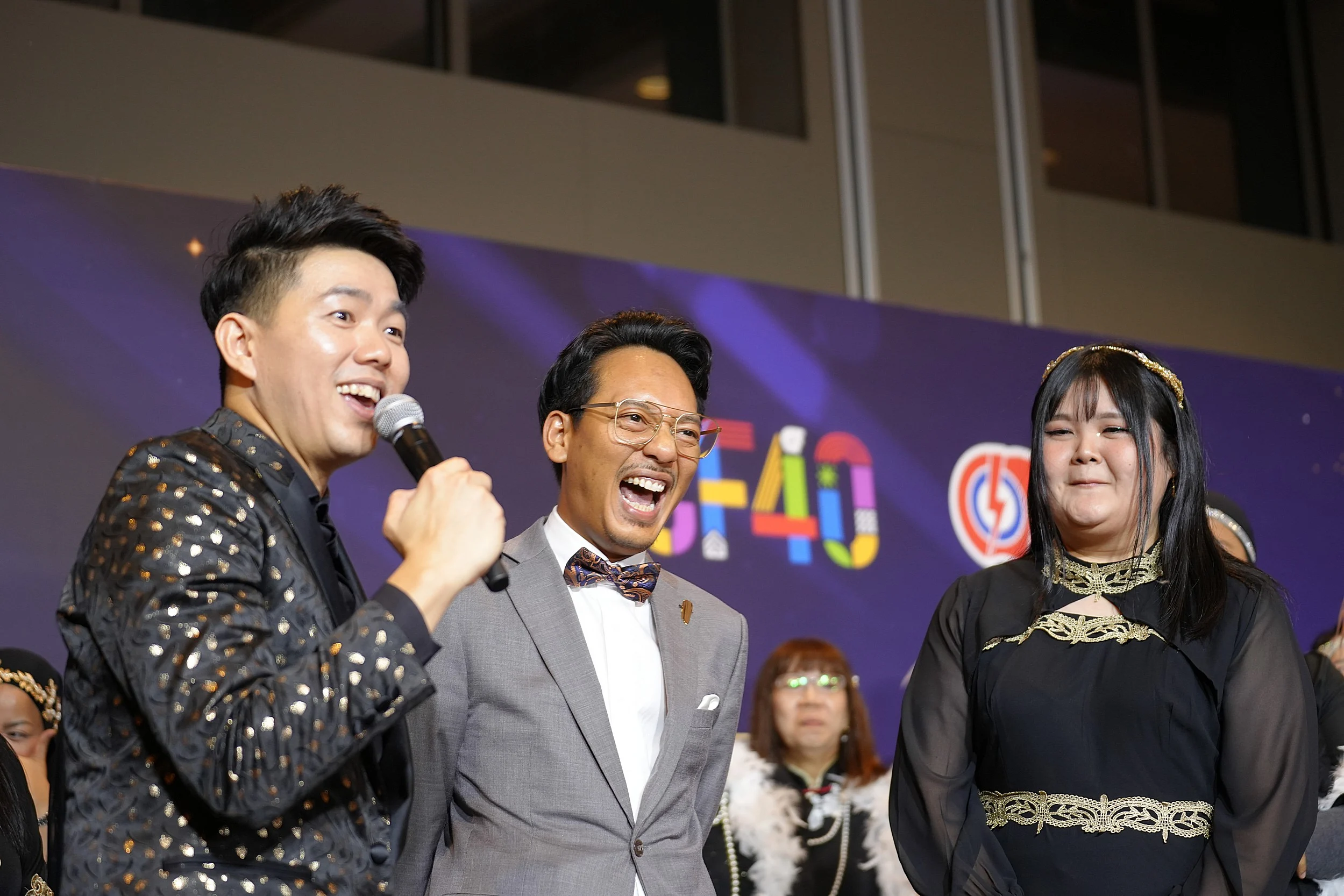
When planning an event, it can therefore be useful to ask a different question: “How do we want our guests to feel?”
Once you know the answer, it becomes easier to choose the right entertainment, activities and experiences.
People Remember What They Do, Not Just What They See
A beautiful stage may look impressive, but a guest who gets on stage and participates in something has a completely different memory of the event.
The same applies to photographs. Taking a photograph isn't simply about creating an image. When guests pose together, use props, experiment with different ideas or laugh at an unexpected result, the experience surrounding the photograph becomes part of the memory.
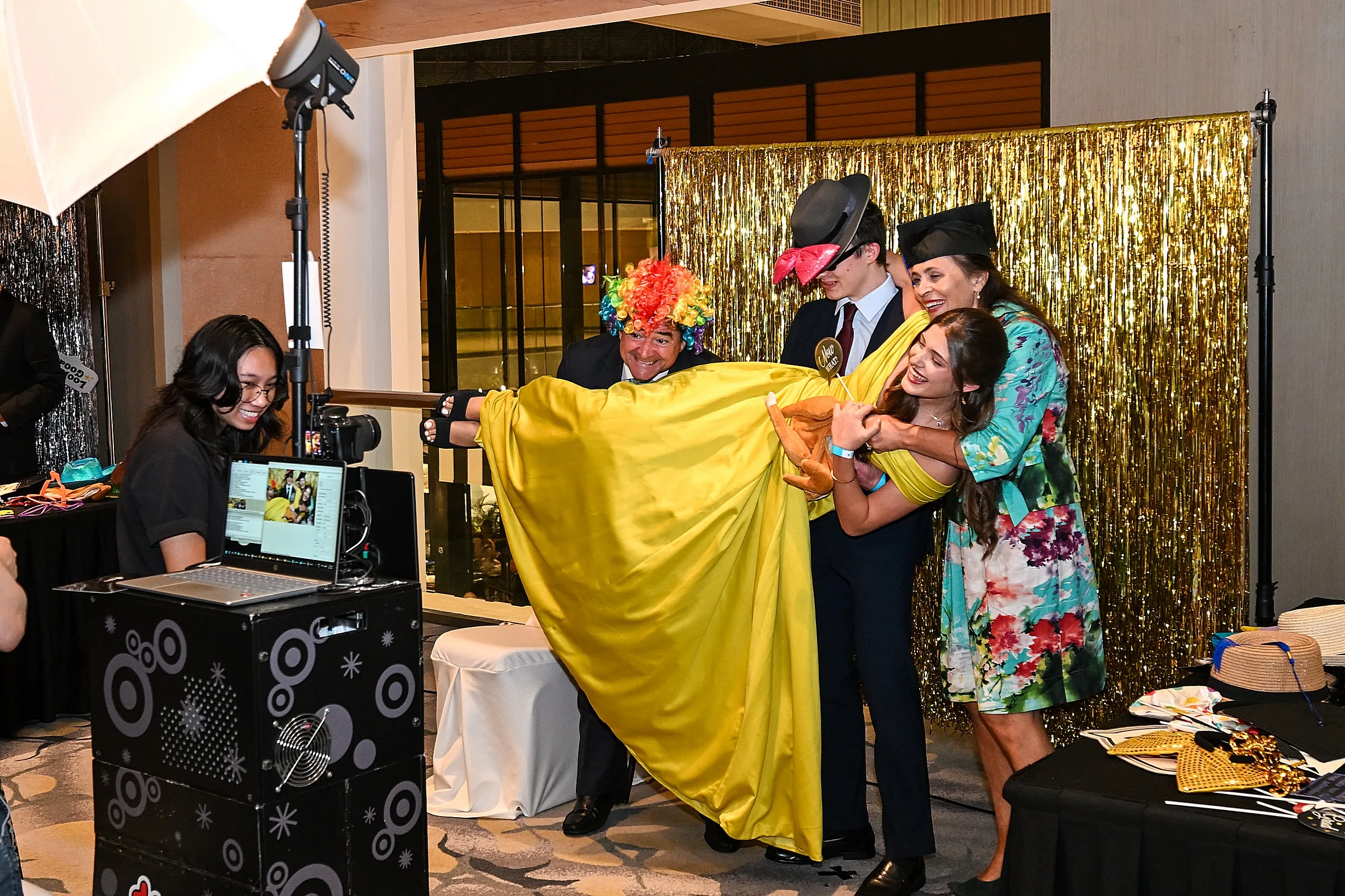
This is one reason photo experiences continue to work well at events. They give guests something to actively participate in while creating a reminder they can keep afterwards.
Surprise and Novelty Make Moments Stand Out
Familiar experiences can be comfortable, but unexpected ones tend to attract attention.
This doesn't mean an event need something outrageous. Even a small twist can make an ordinary activity feel different. A unique photo perspective, an unexpected entertainment segment, an unusual guest activity or a creative souvenir can give people something to talk about.
At Fabfoto, we've seen this through different types of photo experiences, from classic photobooths to more unusual formats such as the High Angle Photobooth, 360 Video Booth and AI Photobooth.
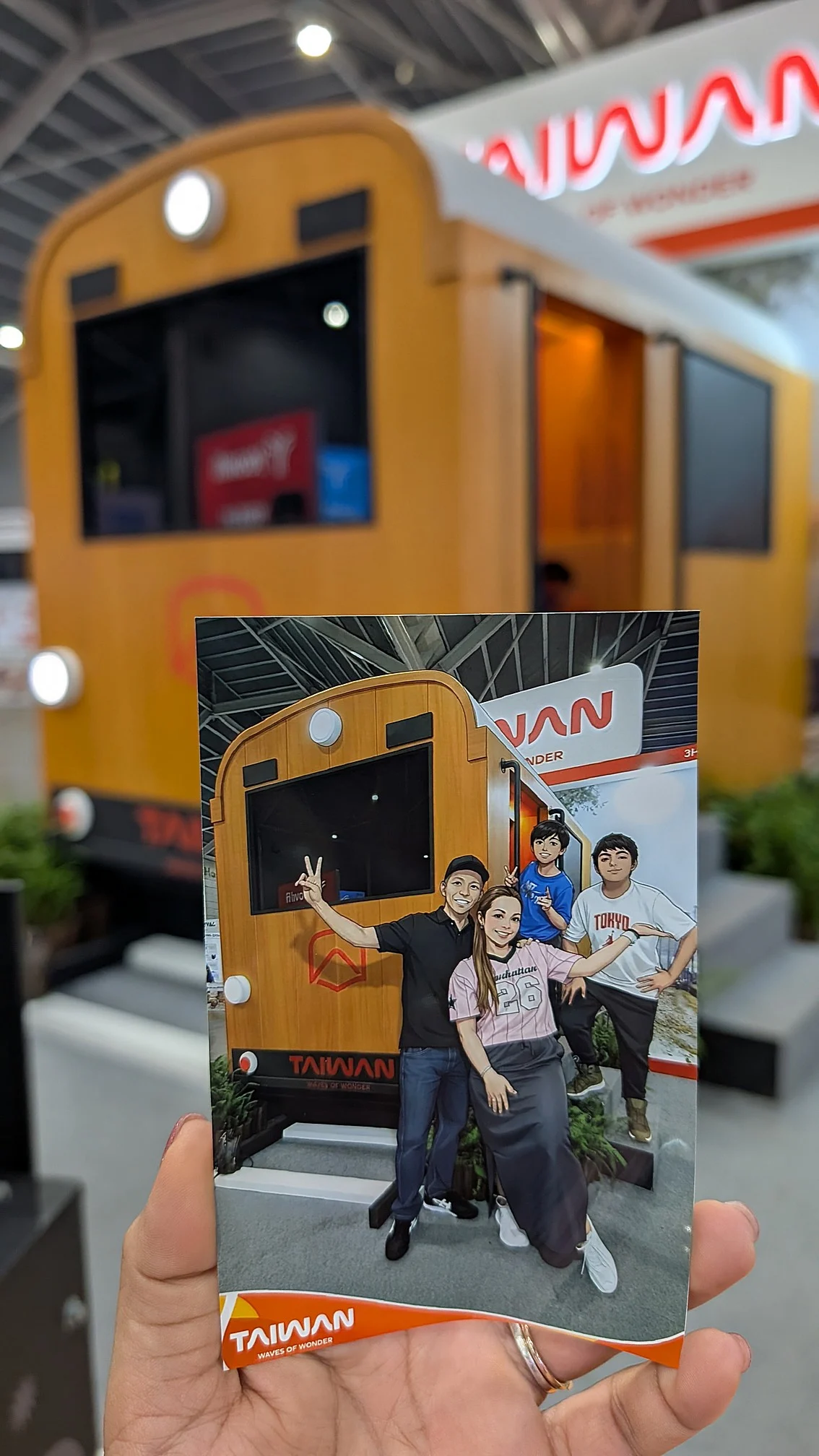
The technology is interesting, but the real value is the experience it creates for the guest.
Physical Souvenirs Turn Memories into Something Tangible
Digital photos are convenient, but there is still something special about having a physical reminder of an experience.
A printed photograph can end up on a desk, refrigerator or scrapbook. Years later, someone may find it and immediately remember where they were, who they were with and what happened that day.
This is especially true when the photograph becomes more than just a print. At Fabfoto, for example, guests can receive 4R prints from the photobooth, turning a fun moment at the event into a keepsake they can take home and display.
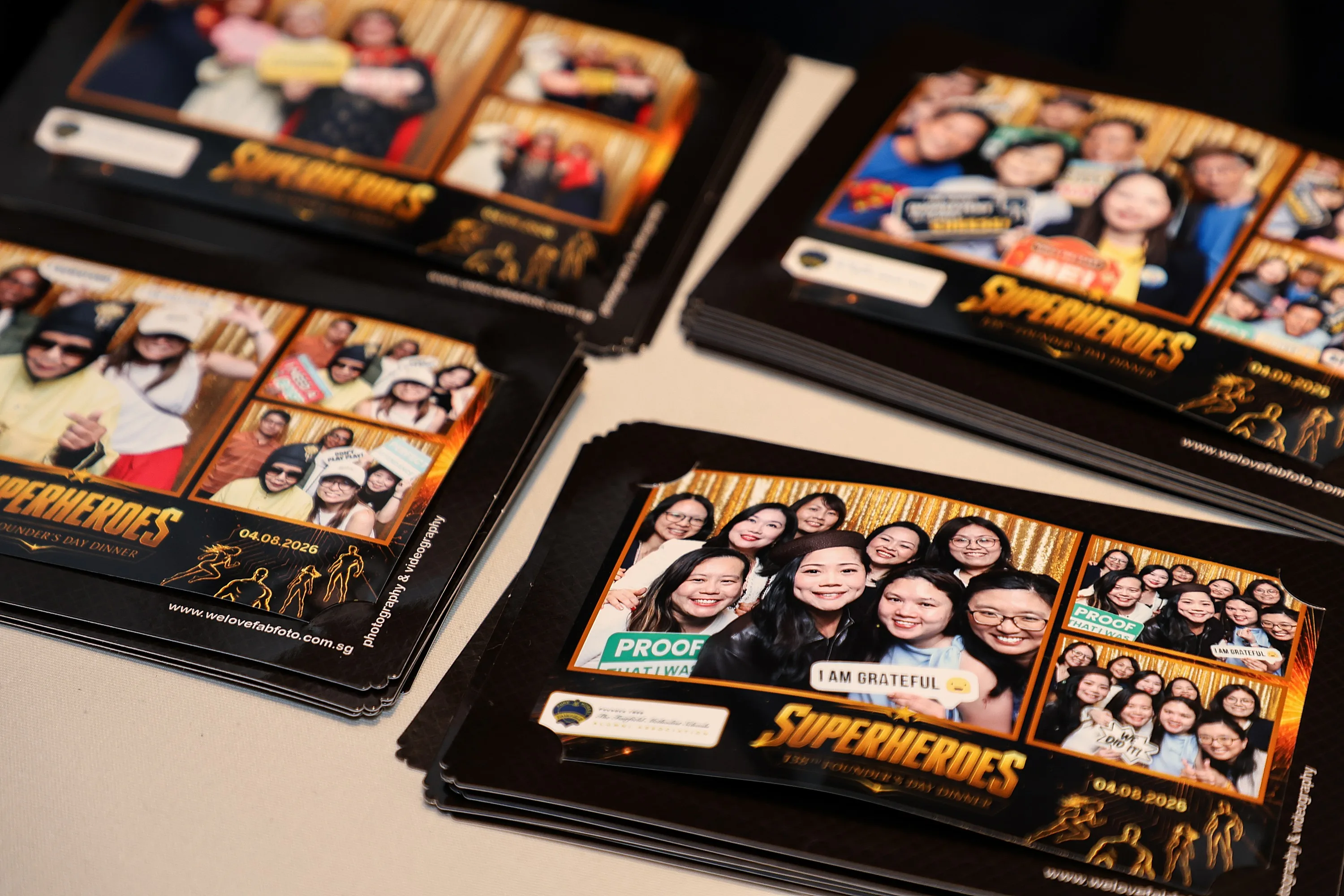
It's a small detail, but it gives the photograph a life beyond the event. Instead of staying in a phone gallery where it may eventually be forgotten, it becomes something guests can physically see and enjoy long after the celebration is over.
That is the value of a good event souvenir: it doesn't just remind people that they attended an event. It brings the experience back to them.
Interactive Experiences Encourage Social Sharing
When people enjoy an experience, they naturally want to tell someone about it.
This is one reason interactive experiences can generate social media content without guests being specifically asked to promote an event.
A funny photo, unexpected AI transformation, 360-degree video or unusual perspective can become something guests want to share with their friends.
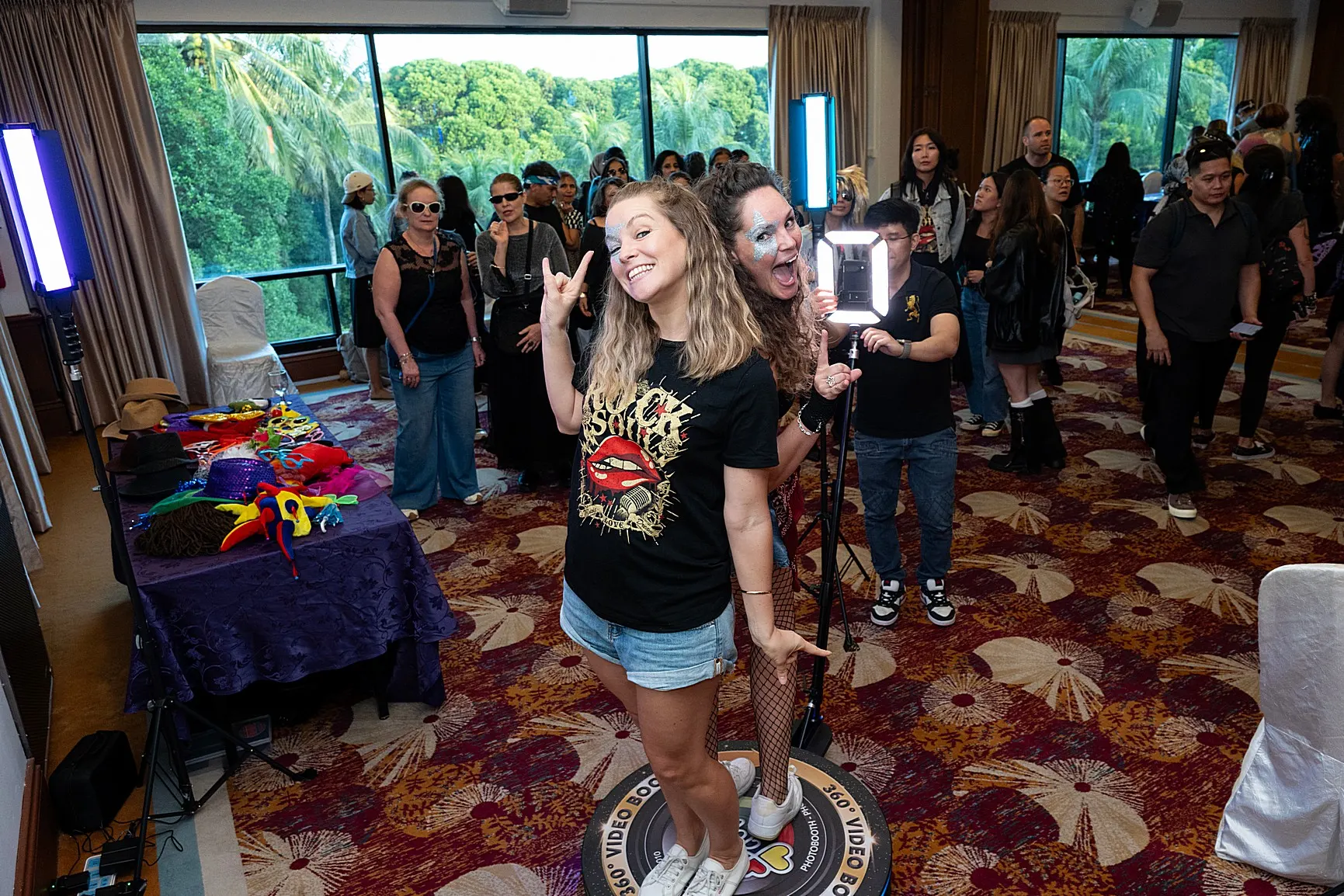
The important distinction is that the content comes from the experience. Guests aren't simply being asked to post an advertisement — they're sharing something they personally enjoyed.
Don't Forget What Happens After the Event
An event doesn't necessarily have to end when guests leave.
Professional photography and videography can extend the experience by allowing people to revisit moments they may not have seen themselves.
Event photography can capture the details, interactions and candid moments happening throughout the day, while videography can bring the atmosphere back to life through moving images, allowing guests and organizers to replay the experience long after the event has finished.
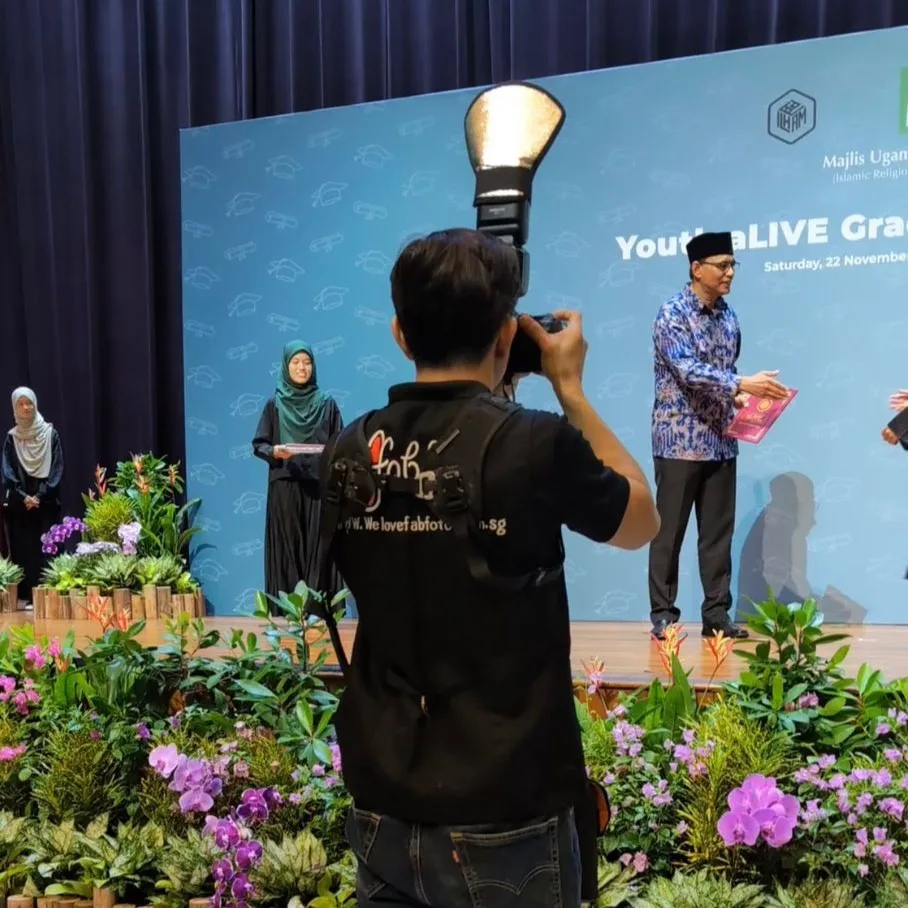
At Fabfoto, event photography and videography are another part of that process: documenting what happened so the event can be remembered, shared and experienced again.
The Goal Isn't Just to Organize an Event
A successful event isn't necessarily the one with the biggest budget, the most elaborate décor or the longest programme.
It's the one people remember.
Give guests something to participate in. Create moments that make them laugh, feel surprised or connect with someone. Give them something tangible to take home. Capture the moments they may want to revisit later.
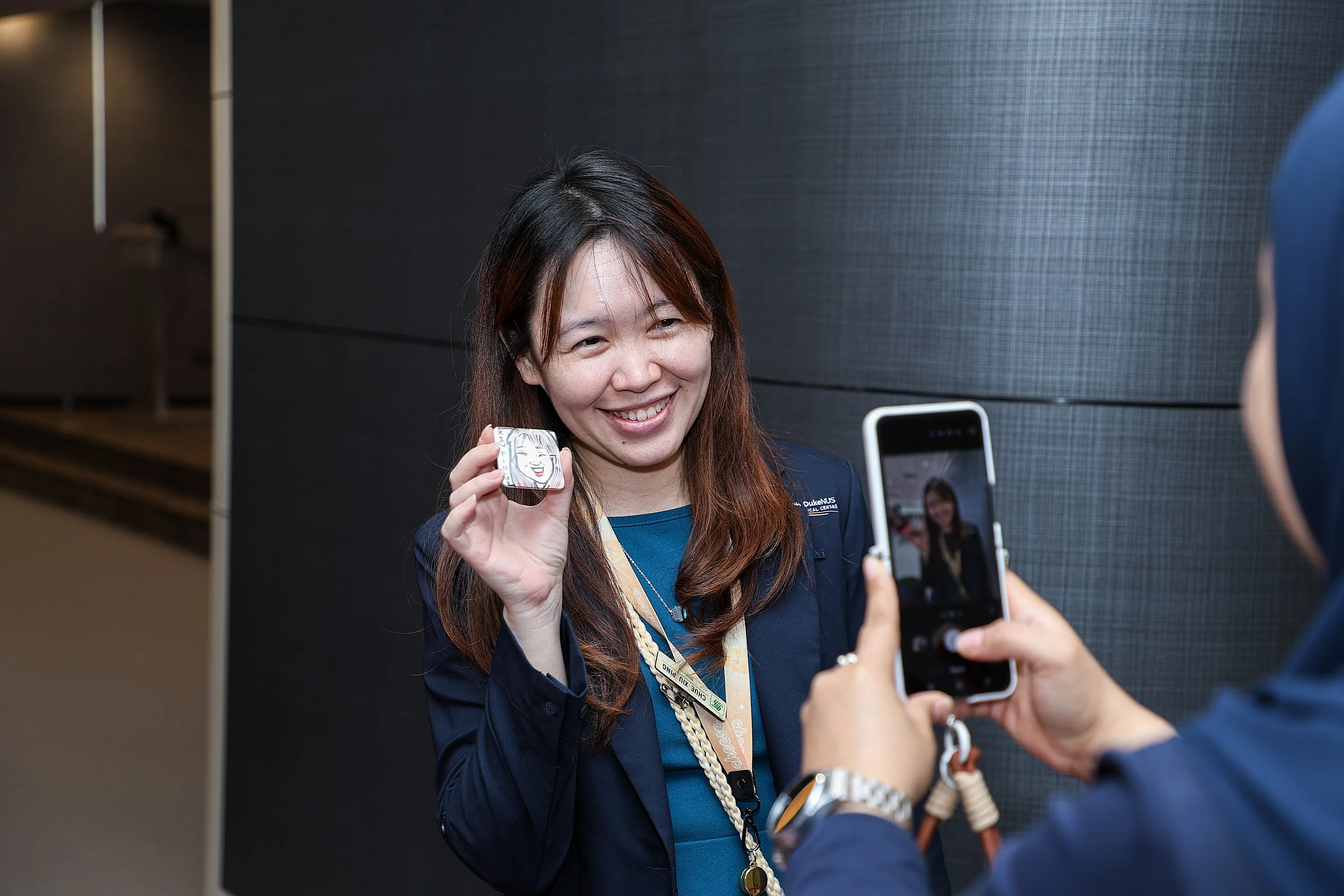
Because when an event becomes an experience, it doesn't simply occupy a few hours on someone's calendar.
It becomes a memory.
Frequently Asked Questions
Why are experiences remembered more than formal events?
Events often rely on passive observation, whereas experiences involve active guest participation, emotional reactions, and social interactions, which create stronger, longer-lasting neural pathways for memory.
How do photobooth prints help guests remember an event?
Unlike digital files that get buried in smartphone photo libraries, physical prints (like 4R photo strip keepsakes) are displayed on desks or fridges, repeatedly triggering positive memories long after the event finishes.
What photo booth formats create the most novelty for events in Singapore?
High Angle Photobooths, 360 Degree Video Booths, and AI Photobooths offer unexpected perspectives and creative interactions that immediately capture guest interest and encourage social sharing.